
Yonoya

Comb
“Carrying Forward What Should Not Be Changed”
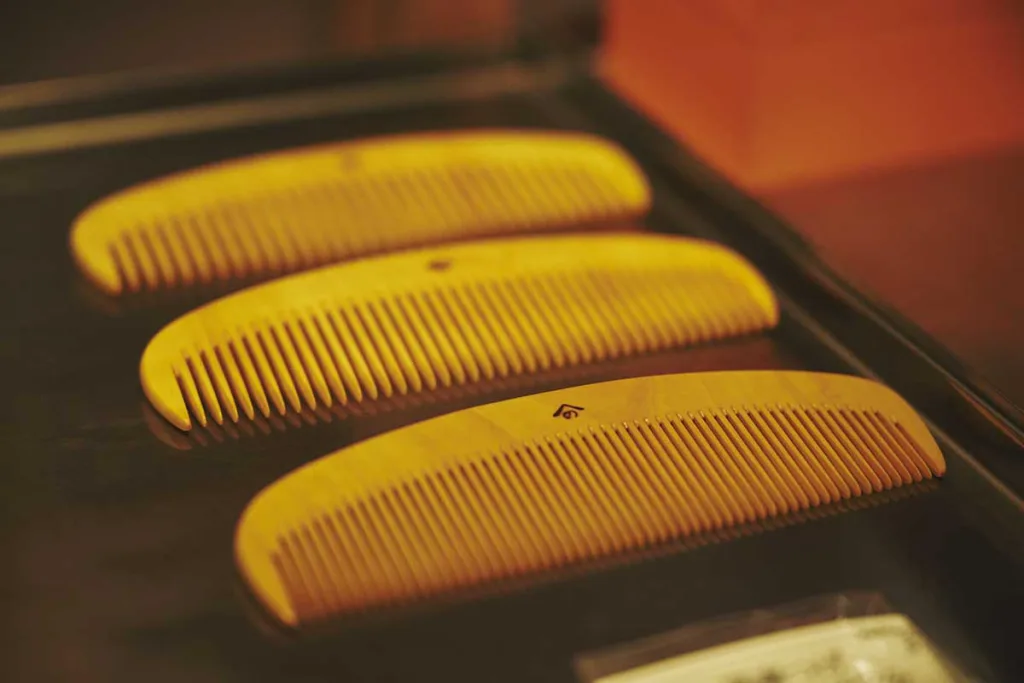
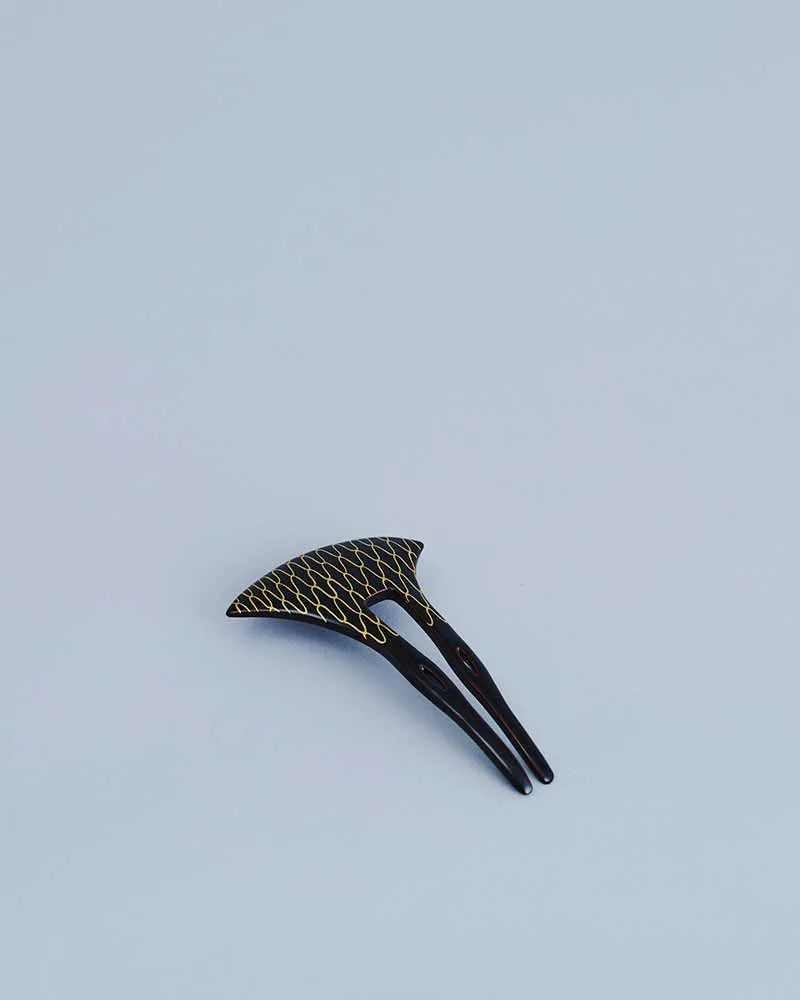
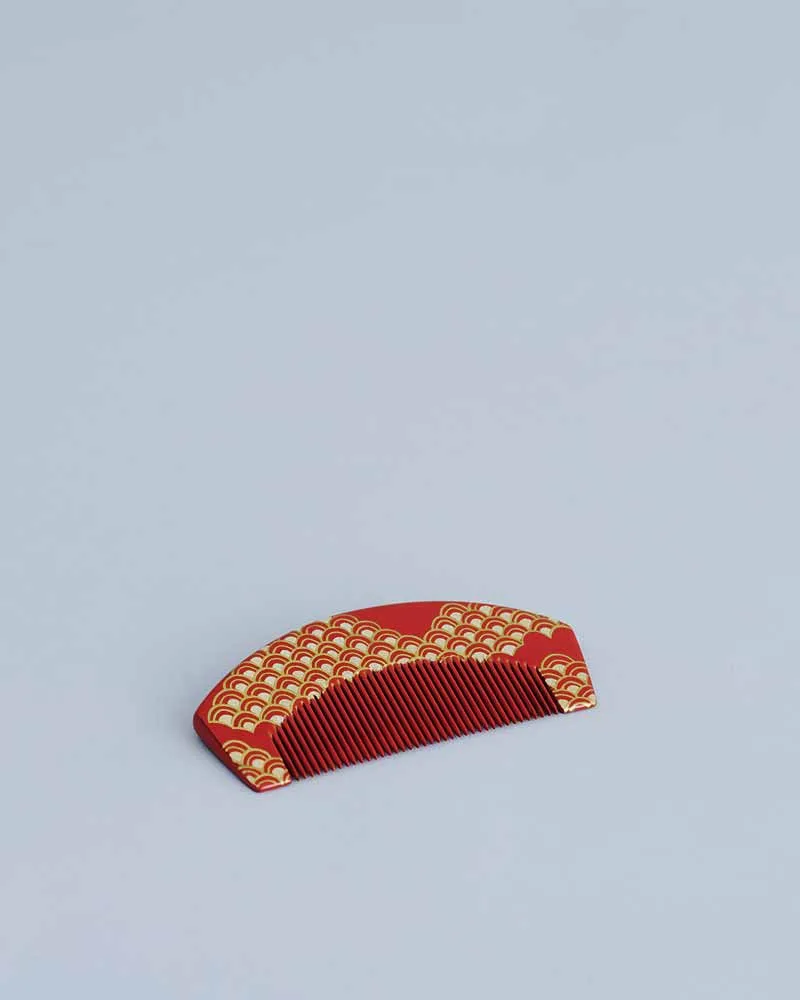
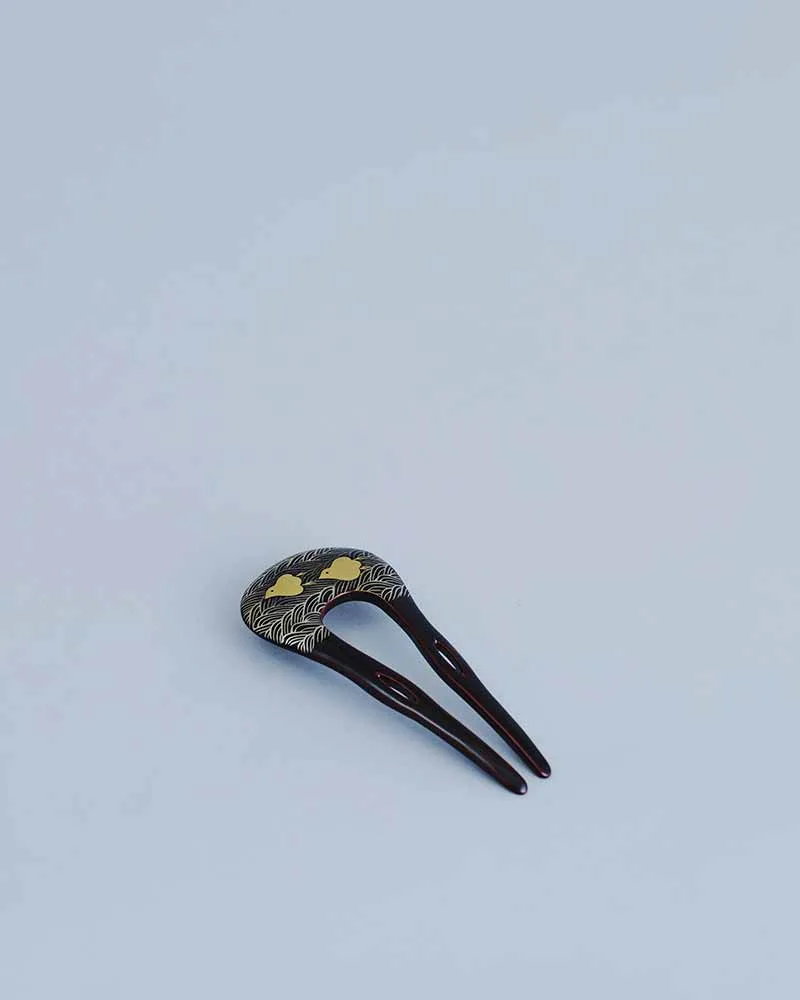
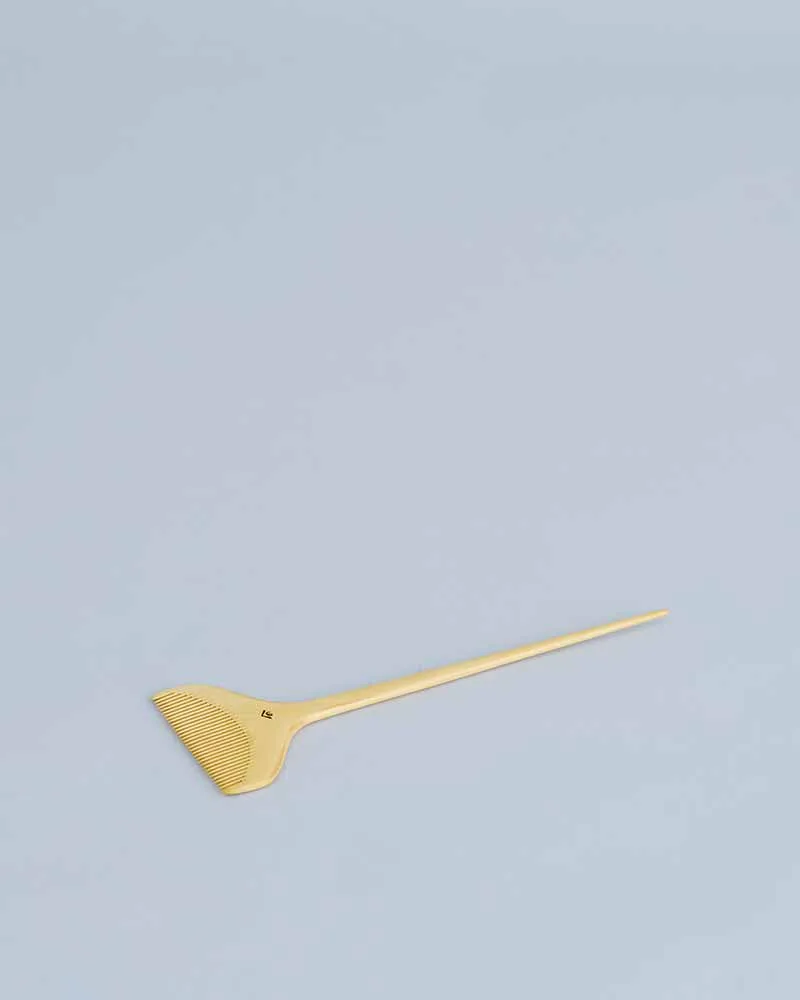
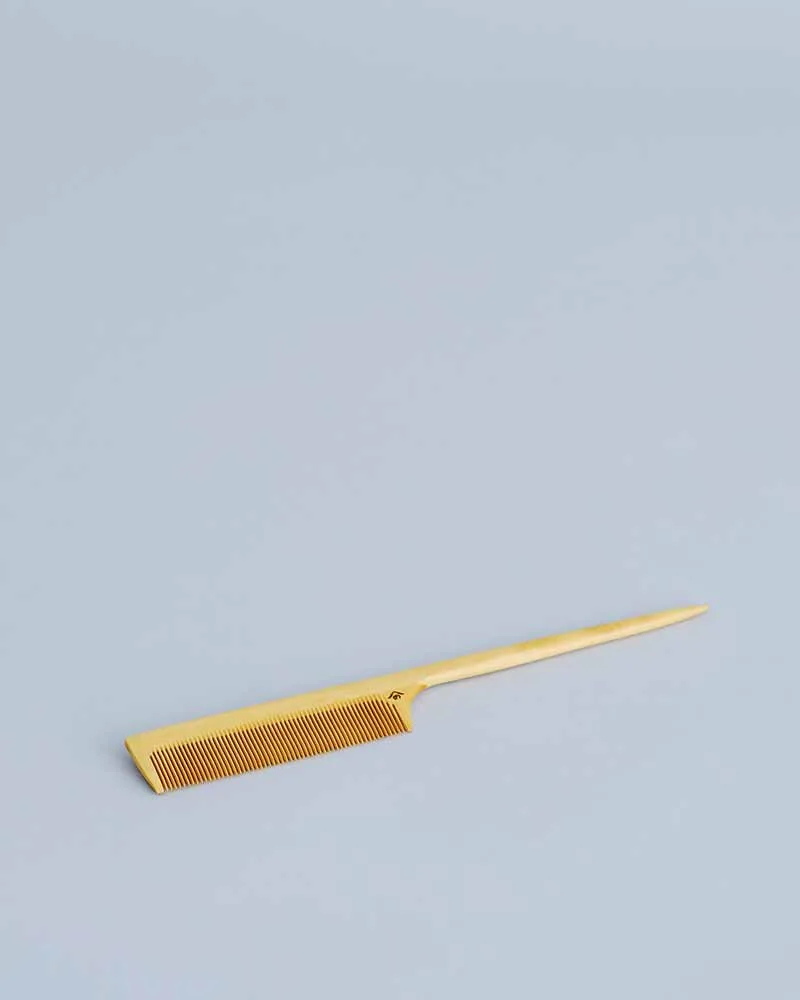
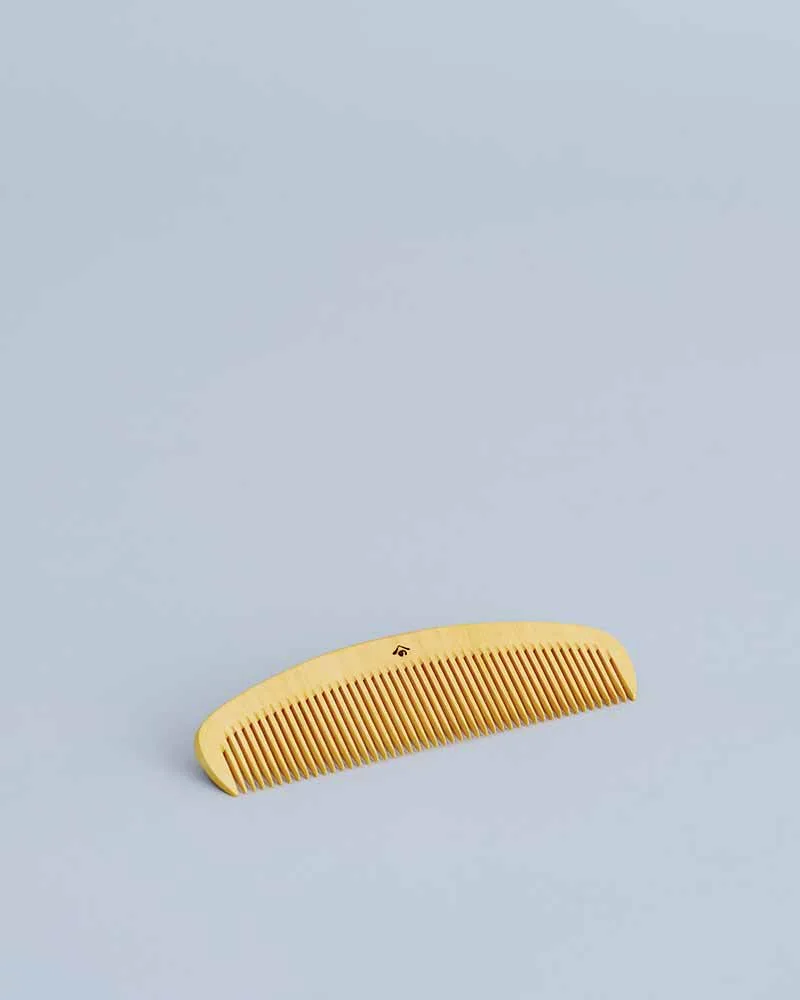
A Japanese boxwood comb (tsuge-gushi) is a traditional everyday grooming tool, used to brush, set, and adorn the hair.
About
A Japanese boxwood comb (tsuge-gushi) is a traditional everyday grooming tool, used to brush, set, and adorn the hair.
Origins
Yonoya Kushiho was originally founded near Yushima Tenjin Shrine in what is now Bunkyo Ward, Tokyo.
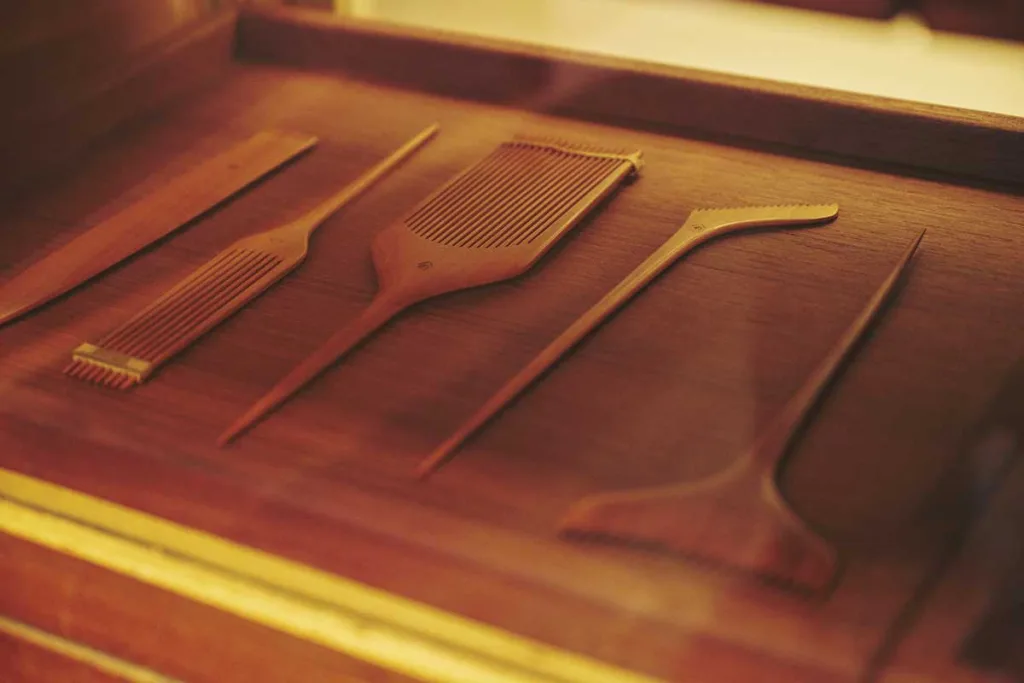
The year was 1717, during the Kyoho era—a time when carefully styled and tied hair was an essential part of everyday life in Japan. Because of this culture, the shop’s earliest customers were professional hairdressers, such as kamiyui and tokoyama, who were responsible for creating traditional hairstyles.
From the generation of our great-grandfather onward, Yonoya Kushiho relocated its shop to Asakusa, where it continues its work today.
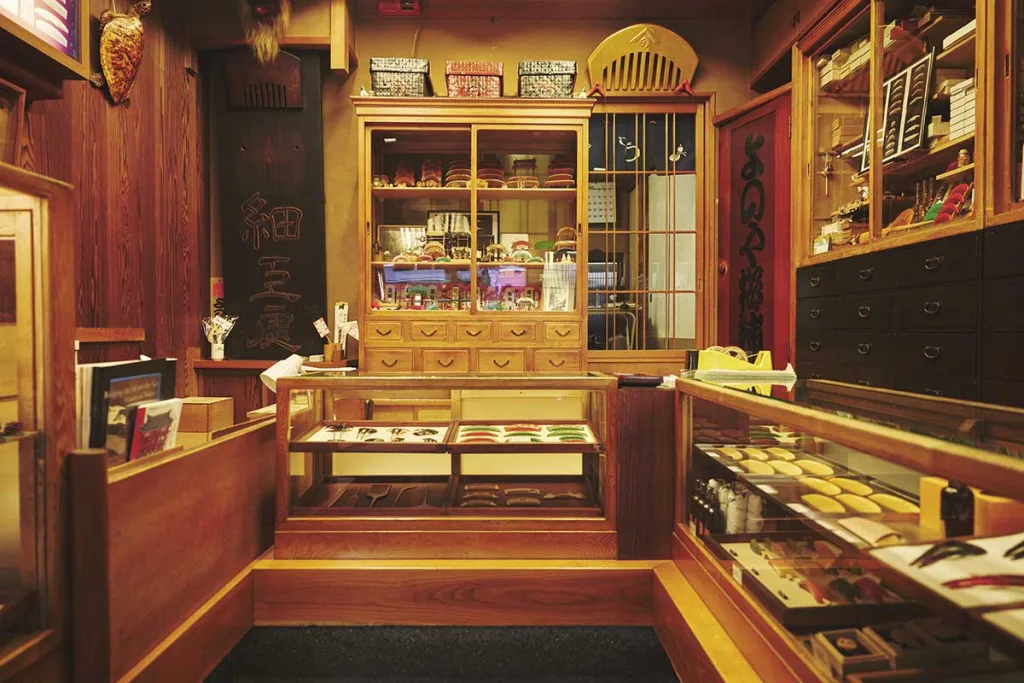
Relationship with Asakusa
At the time, the presence of the kagai—the geisha districts— played a particularly important role. We had long-standing business relationships with professional hairdressers who styled the hair of geisha, and our combs were used in that context.
Asakusa is also located just across the Sumida River from Ryogoku, an area long associated with sumo stables. Tokoyama—the professional hairdressers for sumo wrestlers—were also among our customers. Taking this cultural landscape into account, it feels natural that the shop came to be located in Asakusa.
The shop itself still preserves the structure established when our great-grandfather moved here. While certain things inevitably change with time, we place greater value on what should remain unchanged. The shop itself serves as a living reference—a place that allows us to reflect on how our great-grandfather, and the generations before him, might have thought and worked. For that reason, we have chosen to keep it as it is.
Materials
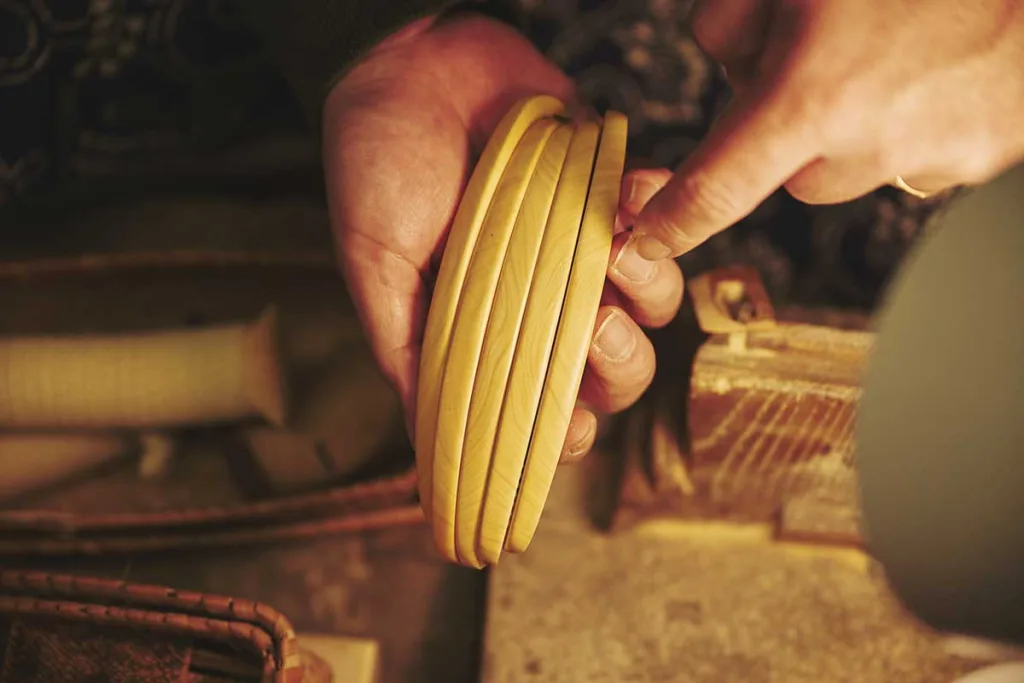
Our combs are made from Satsuma boxwood, sourced from Ibusuki in Kagoshima Prefecture, Kyushu. Within the craft of comb making, what is known as hon-tsuge—“true boxwood”—refers specifically to Satsuma boxwood from this region. Using this material is considered the defining standard. There are clear reasons why boxwood is essential. First, the wood itself is remarkably flexible and resilient. It has a natural elasticity that makes it resistant to breaking. When used to comb the hair, this flexibility allows the comb to move gently with each strand, reducing stress and damage.
Another important quality is its density. Boxwood is so tightly grained that it does not float in water, a sign of both strength and durability. Taken together—its flexibility, density, and resilience—these qualities make Satsuma boxwood uniquely suited for comb-making.
Boxwood combs are mentioned as early as the Nihon Shoki, one of Japan’s oldest historical chronicles. From ancient times, boxwood has been regarded as the proper material for grooming natural hair. Even today, many believe that when it comes to dressing and arranging one’s own hair, nothing surpasses a comb made from true boxwood.
Process
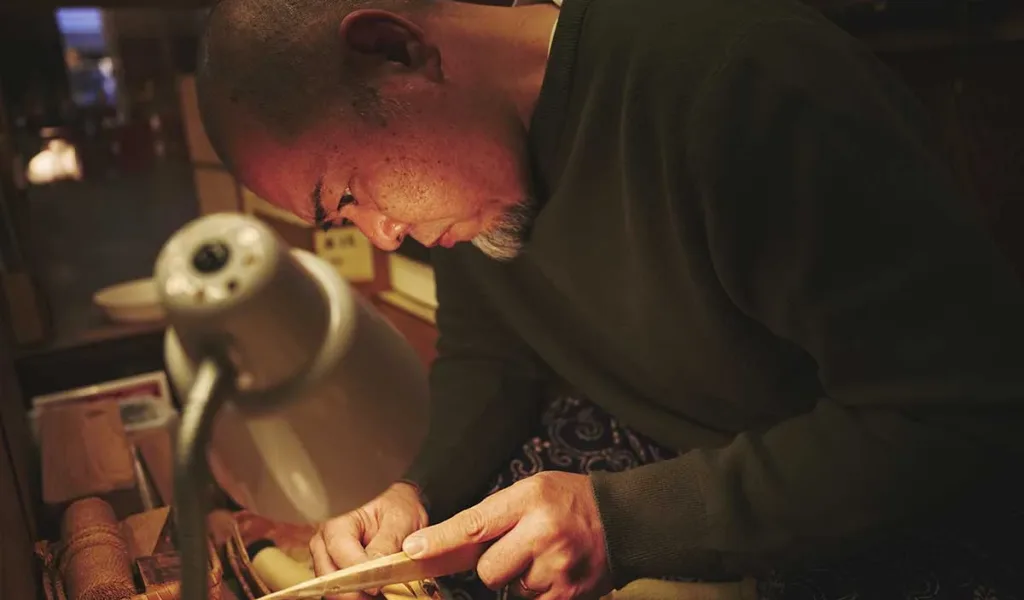
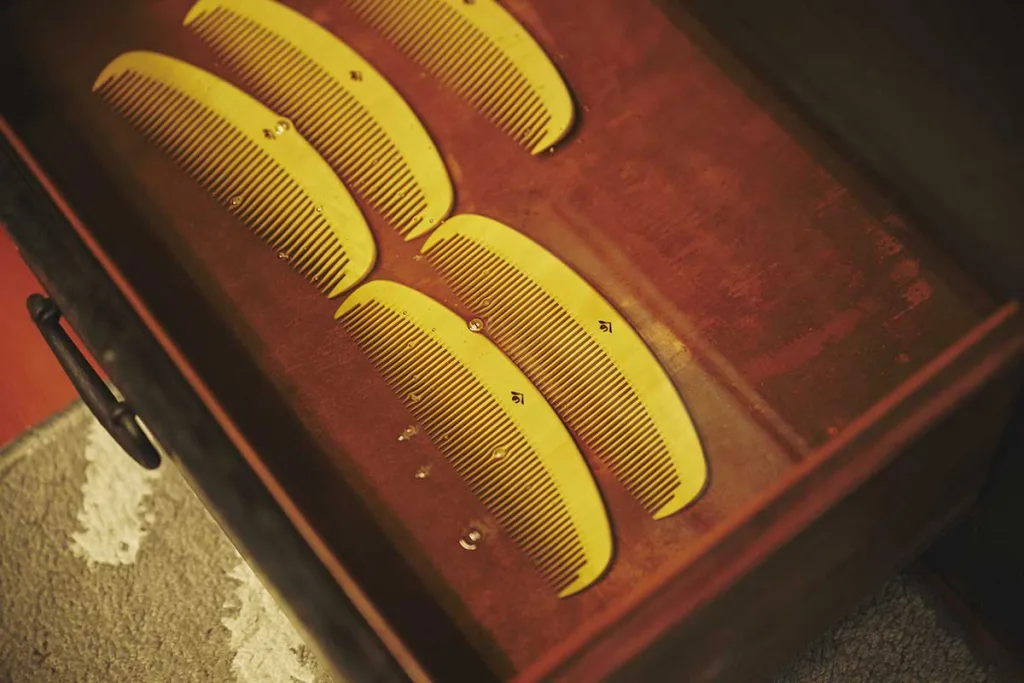
We use a plant called tokusa (horsetail), which is also known for its use in traditional flower arrangements. Its surface is naturally textured—so much so that in the past, it was even used to polish fingernails.
Tokusa is essential because it offers exactly the right balance. Modern abrasives such as sandpaper remove too much material, while gentler tools are not effective enough. Tokusa smooths the surface evenly, without overcutting or underworking the wood. For finishing a boxwood comb, it is simply the most suitable material.
Designs
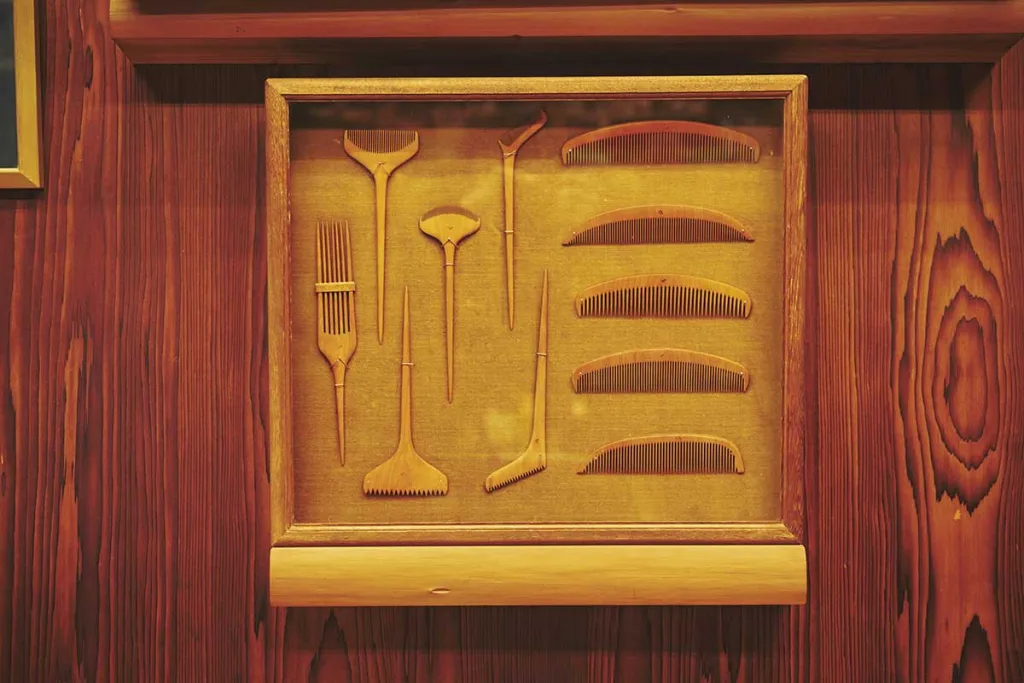
We offer three types of comb teeth: fine, medium, and coarse. This choice is not a matter of preference, but is determined by the user’s hair length, volume, and hairstyle.
Fine teeth are generally suited to shorter hair. For hair ranging from semi-long to long, a medium spacing works best. For those with long hair, greater volume, or strong waves, even medium teeth may cause the hair to gather, in which case a coarser comb is more appropriate.
By selecting the right spacing to match one’s hair type and length, the comb’s effectiveness is greatly enhanced.
What matters most is the experience itself. Many people discover that combing the hair with a boxwood comb feels gentler and more effective than using a brush. Taking care of one’s hair in this way is not about nationality. It is an everyday sensibility shared by anyone who values their hair.
WORKS
Our values
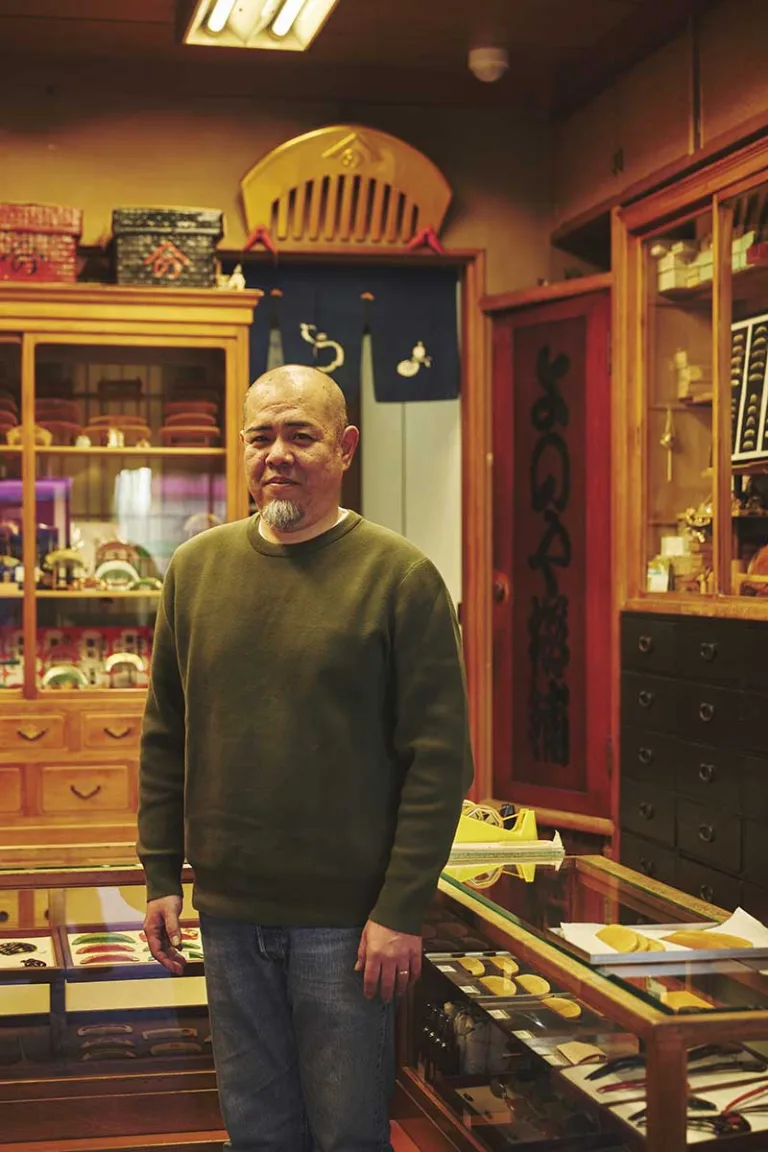
Yutaka Saito
This may not be something unique to my own generation, but there are things that have been handed down over time that should not be changed. At the same time, there are aspects that must adapt with the times. Finding the right balance between the two is never easy.
In Asakusa, there were once several comb makers. Today, we are the only one left. Because of that, we feel a responsibility to ensure that what has been handed down here continues into the future.
We want to continue conveying that combs are not optional objects, but something deeply woven into everyday life in Japan. Holding on to what must not be changed, while allowing it to be carried forward—this balance lies at the heart of what we do.