
Maekawa Inden


Lacquer on deer skin
“Meaning Reveals Their Depth”
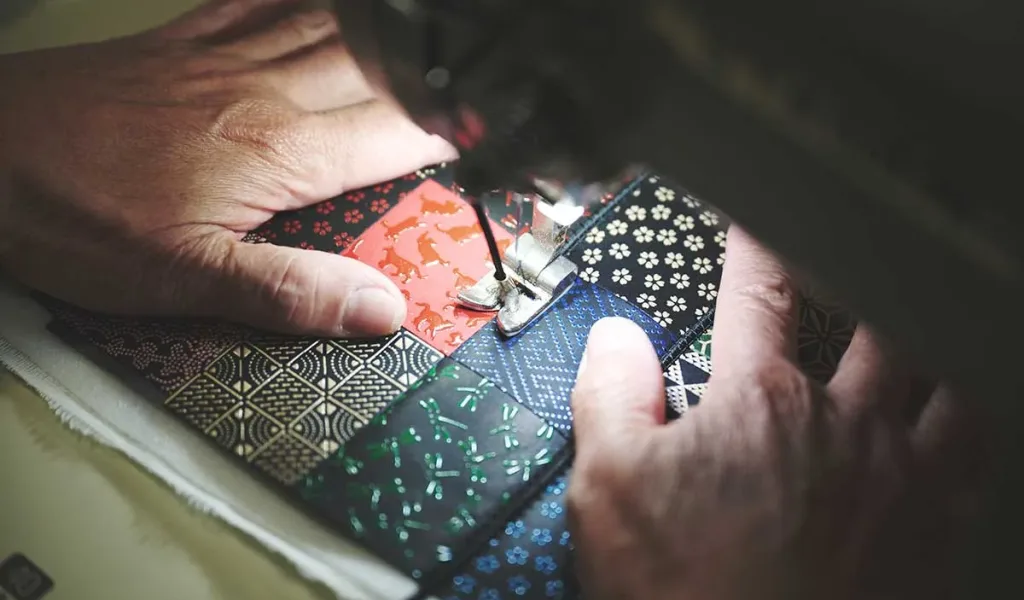
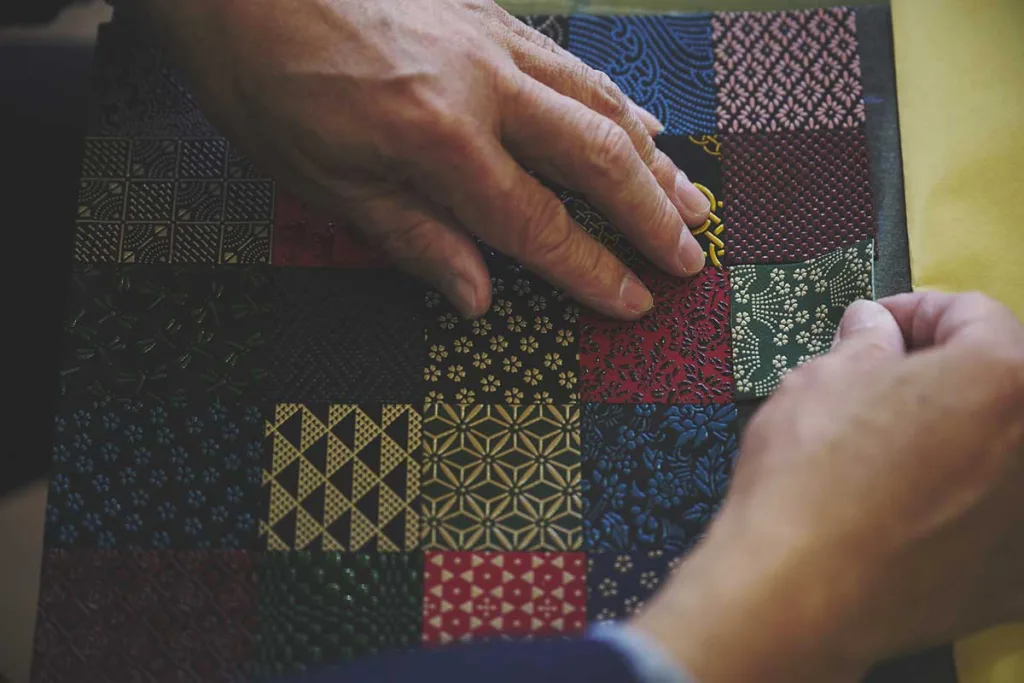
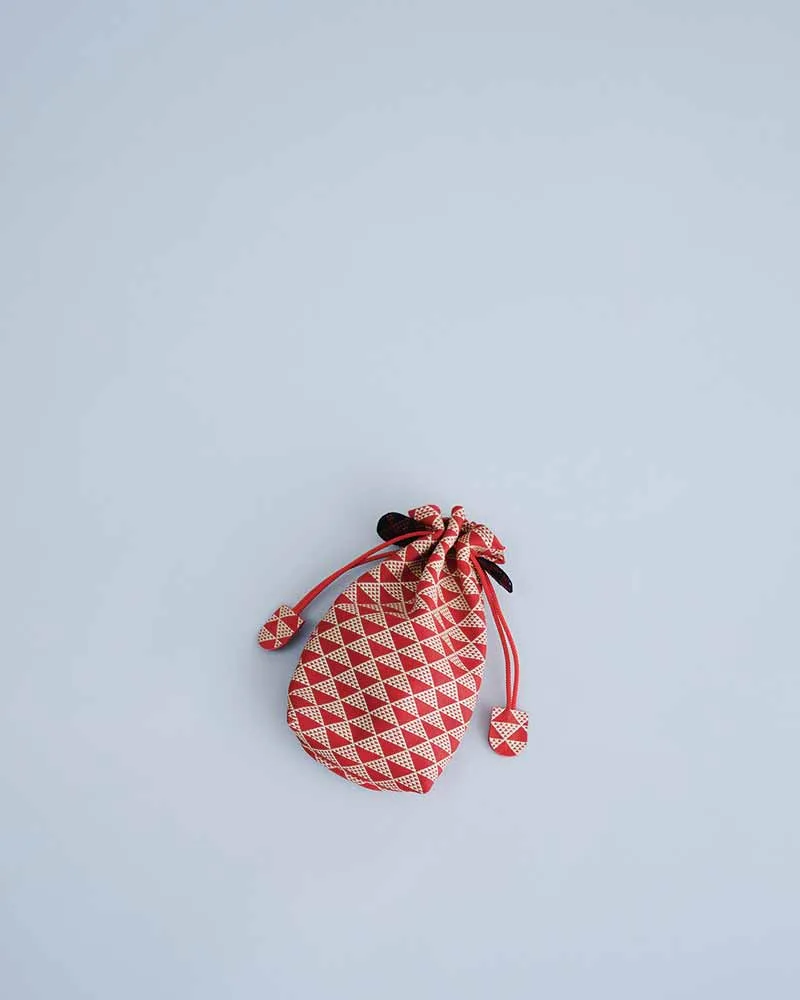
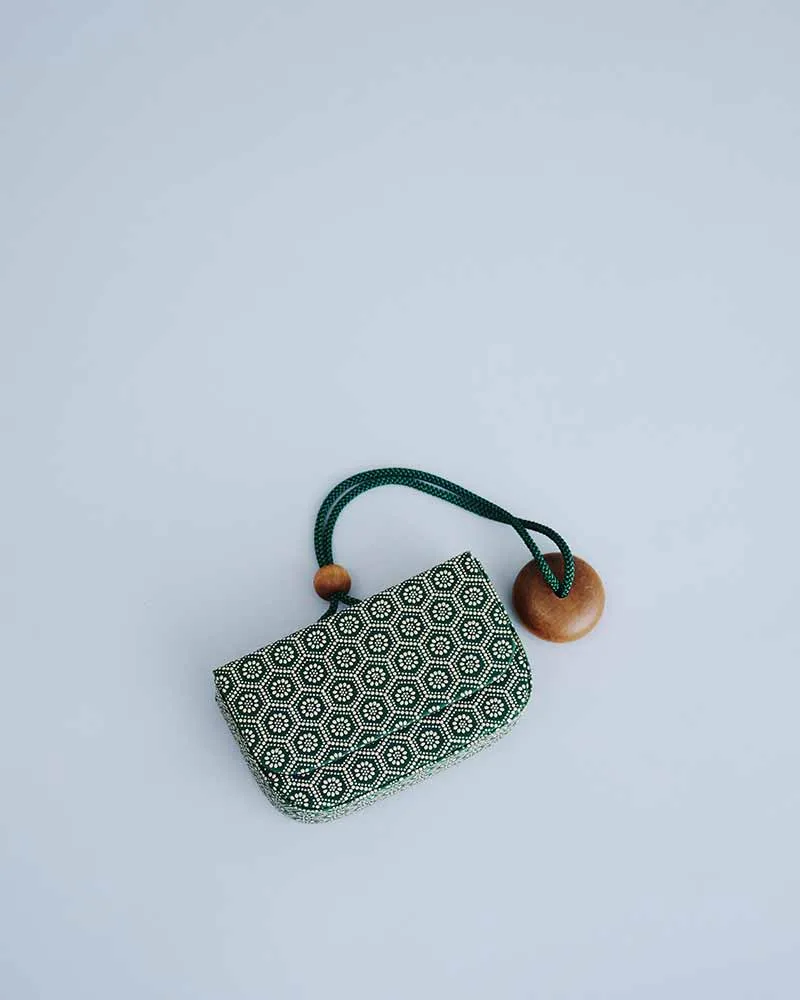
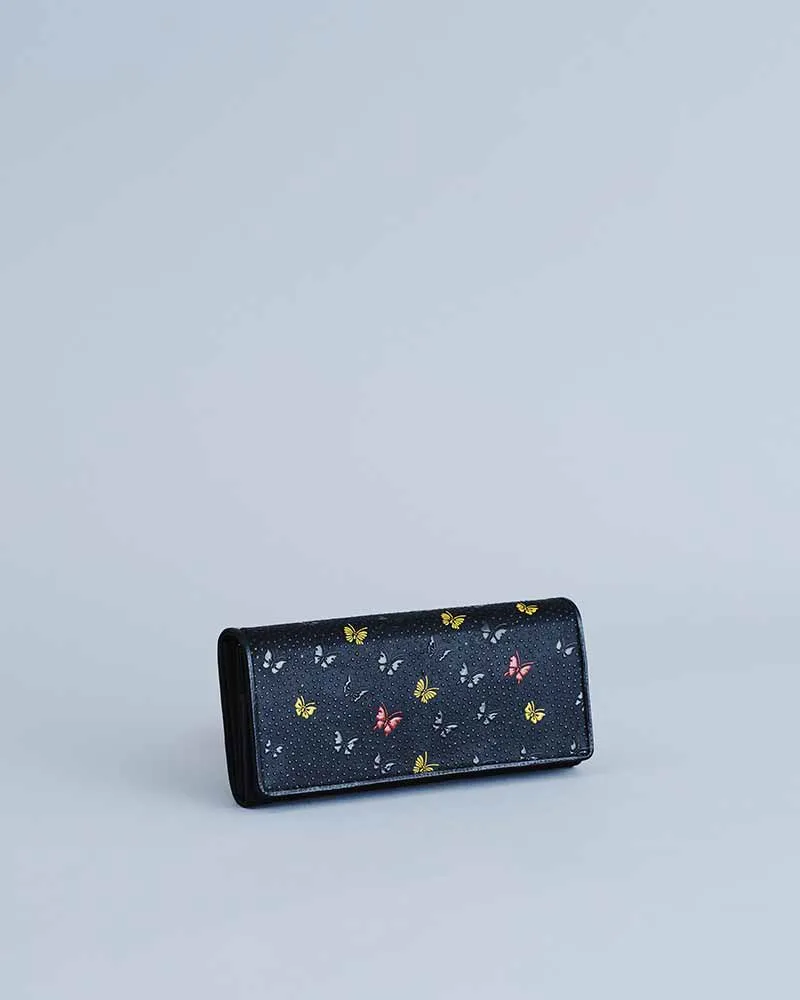
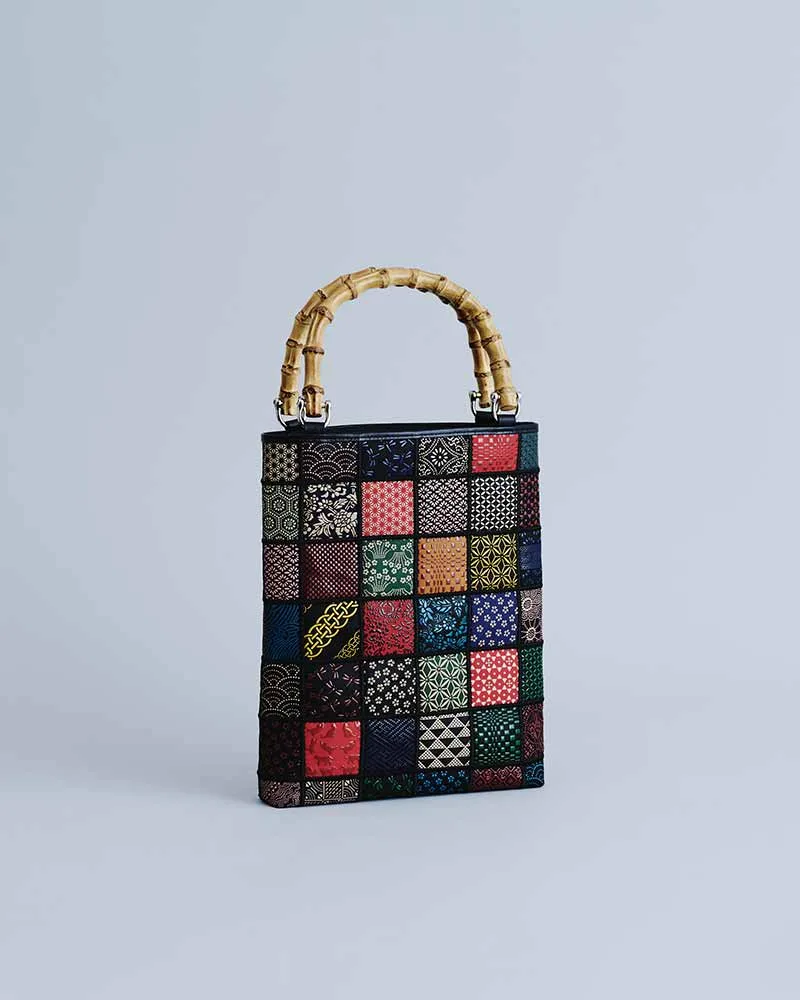
By applying traditional Japanese patterns to deer hide and layering lacquer over the surface, a distinctive material is created. Products made using this material are known as Inden.
About
Inden is said to have its origins in deer leather techniques introduced from India.
By applying traditional Japanese patterns to deer hide and layering lacquer over the surface, a distinctive material is created. Products made using this material are known as Inden.
Deer leather has exceptionally fine and dense fibers, allowing lacquer to penetrate deeply and settle firmly into the surface. In terms of compatibility with lacquer, deer hide is considered especially well suited. Combined with the leather’s natural suppleness and durability, this quality has allowed the material itself to be used continuously over time. In turn, Inden has endured as a living tradition to this day.
Origins
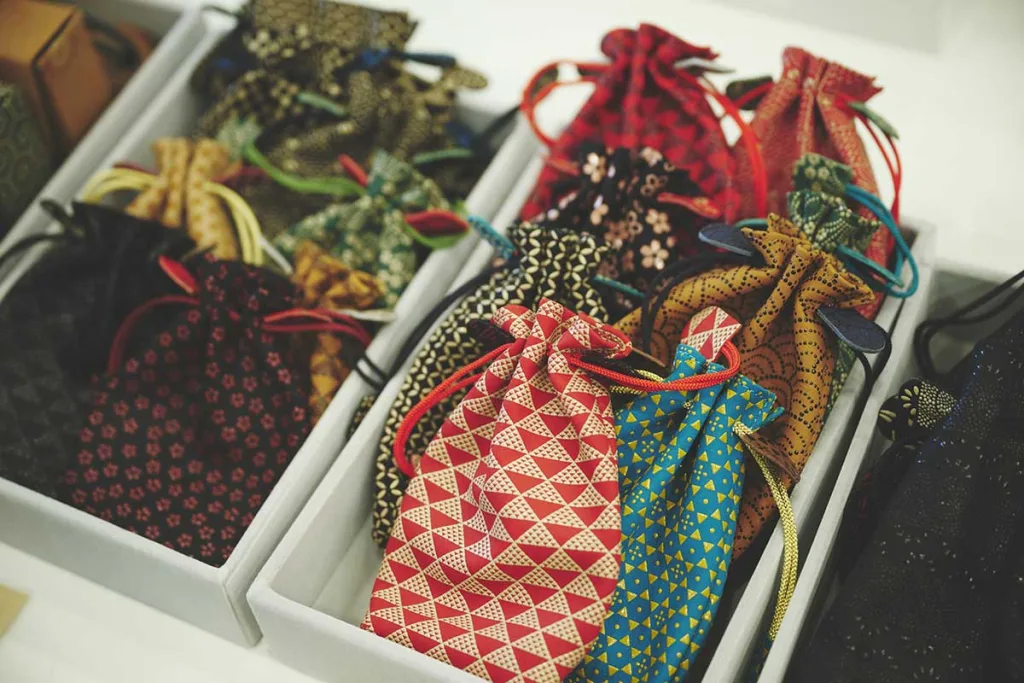
During the Edo period, Inden was enjoyed in the form of personal items such as small pouches and tobacco cases. Looking further back, similar materials have been found in the Shōsōin Repository—an eighth-century imperial treasure house in Nara—leading some to believe that Inden may have already existed as early as the Nara period.
Applying lacquer strengthened the material, making it more durable and water-resistant—an approach likely born from the practical knowledge of earlier generations. Lacquer also adds substance to the surface, allowing its texture and presence to be felt over time.
As with kimono, patterns were chosen to reflect the seasons or to express specific meanings. Wishes for protection, good fortune, and longevity were entrusted to these motifs and carried close to the body as everyday items. Inden has been passed down through everyday use, where meaning is entrusted to patterns and carried into daily life.
Relationship with Asakusa
Asakusa feels different from an ordinary town—the connections between people here are particularly close.
or example, a long-established sensu specialty shop might recommend to a customer,
“If you’re looking for a case for your fan, Maekawa-san has something nice.” In this way, artisans and shop owners alike have long supported one another, introducing customers and continuing their work together as if part of a single team. That shared trust, built through working together over time, feels deeply characteristic of Asakusa.
Materials
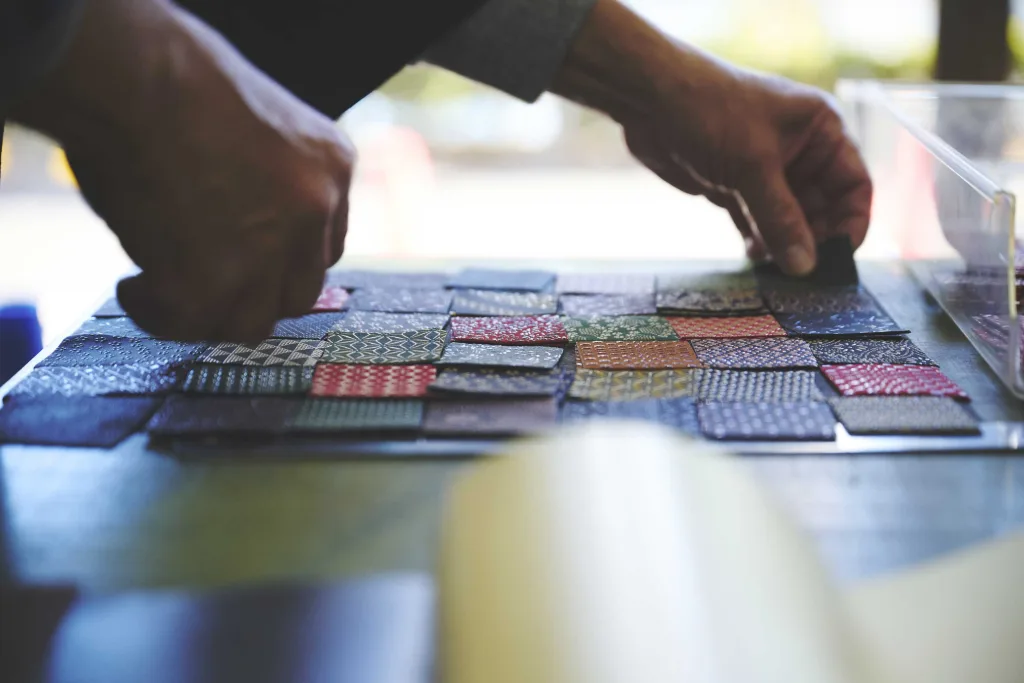
Yamanashi Prefecture, where Inden originated, was home to abundant deer populations and natural lacquer resources. There, specialized artisans prepare the deer hide and apply lacquer to create the Inden material itself.
Using this material to craft wallets, bags, and other personal items was largely the work of artisans based in Edo. Those who prepare the material and those who shape it into finished forms each refined their own skills. Through this division of roles—and the steady accumulation of technique—Inden craftsmanship developed over time.
Process
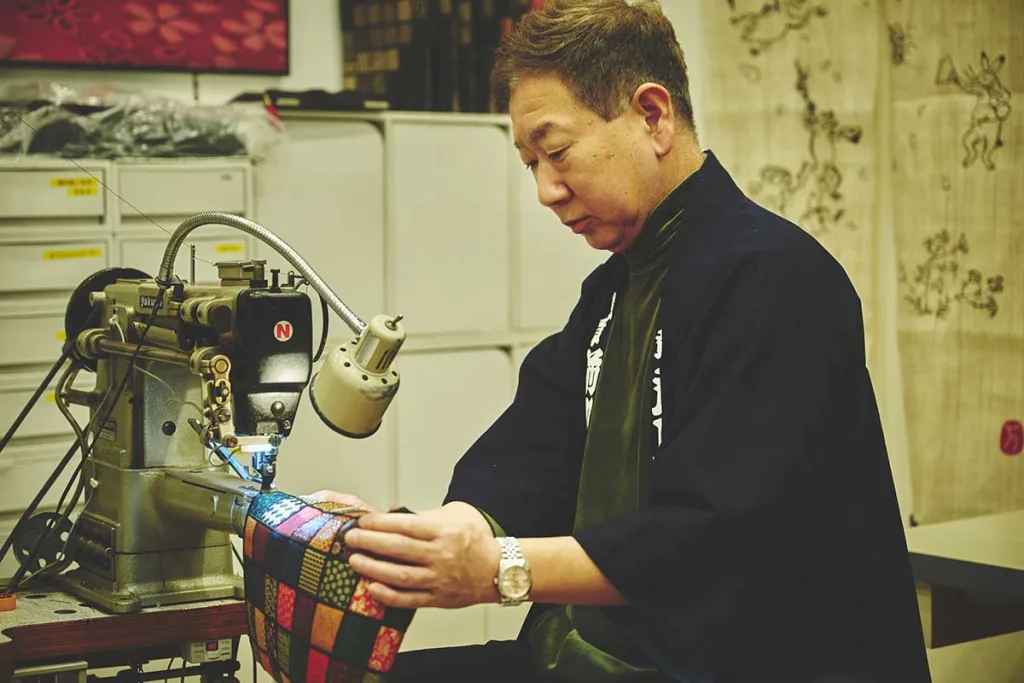
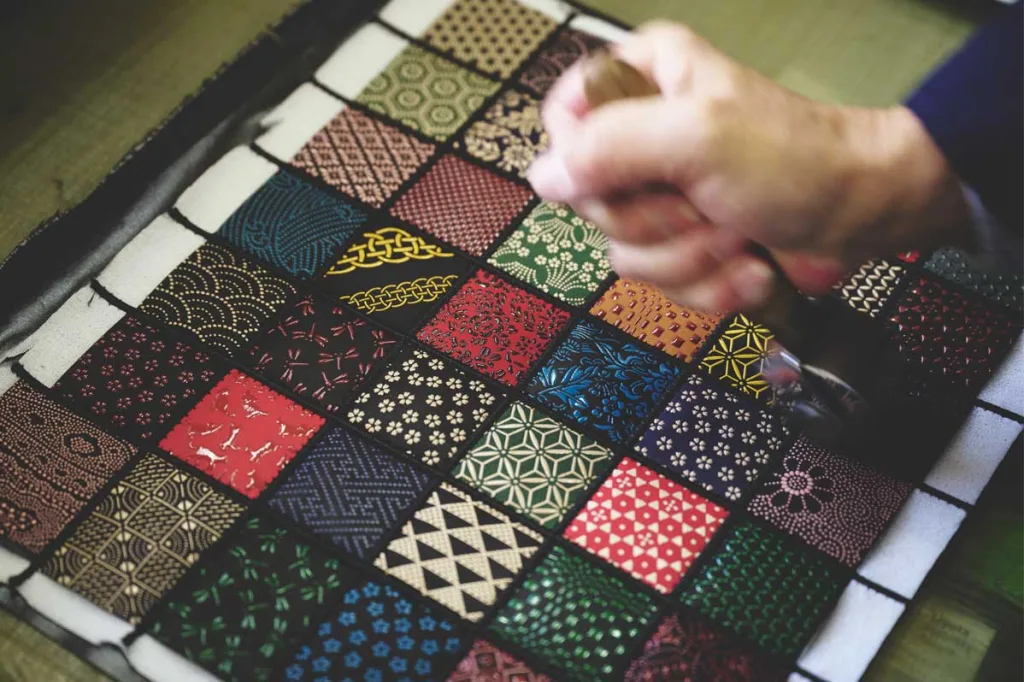
One of our strengths lies in our ability to respond flexibly, even at a small scale. In some cases, we can accommodate fully custom orders from a single piece.
For us, craftsmanship ultimately comes down to care and attention. If something is made carelessly, the result will inevitably reflect that. Precision and consistency are essential—losing focus, even briefly, shows in the finished work. The moment we think, “This is probably enough,” the outcome will be no more than that.
That is why we continue to face each step of the process directly, creating every piece carefully and accurately. In the end, the finished product always reveals how it was made. Facing our work properly—this is what we believe lies at the core of craftsmanship.
Design
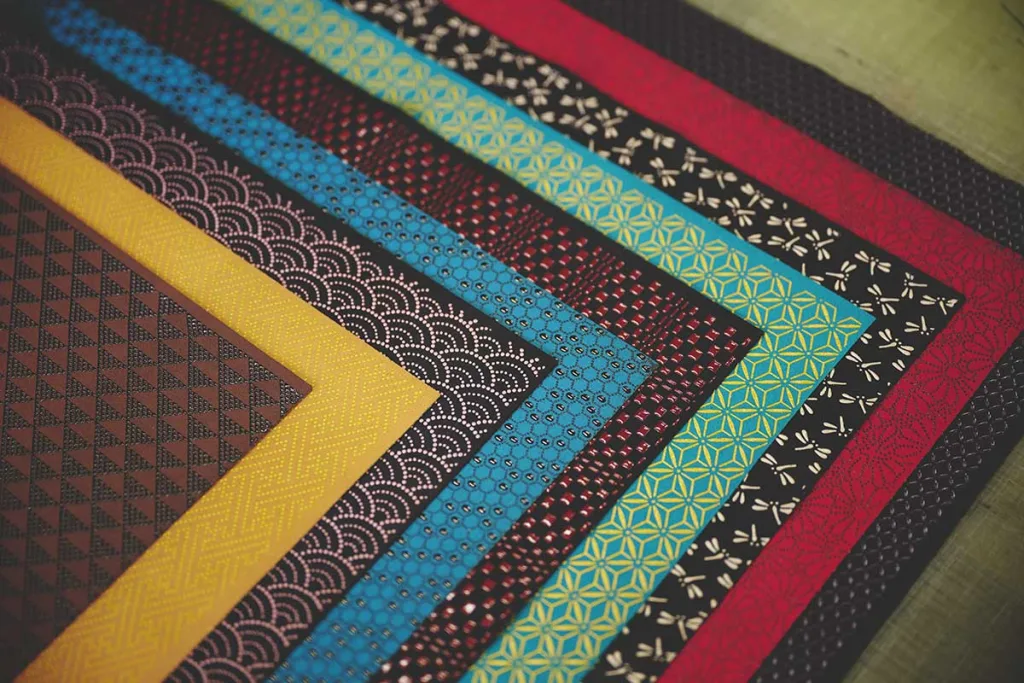
Each komon pattern carries its own meaning.
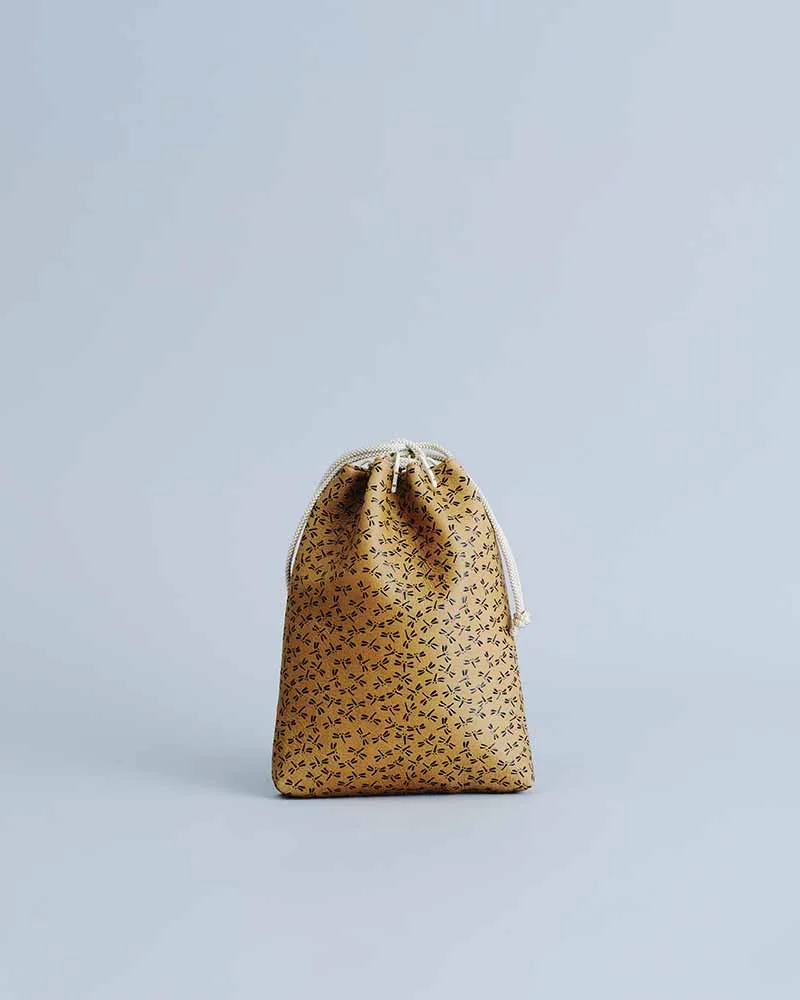
For example, seigaiha depicts gentle waves extending endlessly, symbolizing a wish for a calm and continuous life. The kikkō (tortoiseshell) pattern is also well received—since the tortoise represents longevity, items with this motif are often chosen as gifts. Dragonfly patterns are especially popular with visitors from overseas. Dragonflies never move backward, only forward; for this reason, they are known as kachimushi, or “victory insects,” symbolizing resolve and forward momentum.
The moment someone learns the meaning carried by a pattern, it no longer appears as a simple decoration. Seeing how a motif begins to resonate in that instant reminds us of the power carried by Japanese patterns.
WORKS
Our values
Norio Mekawa
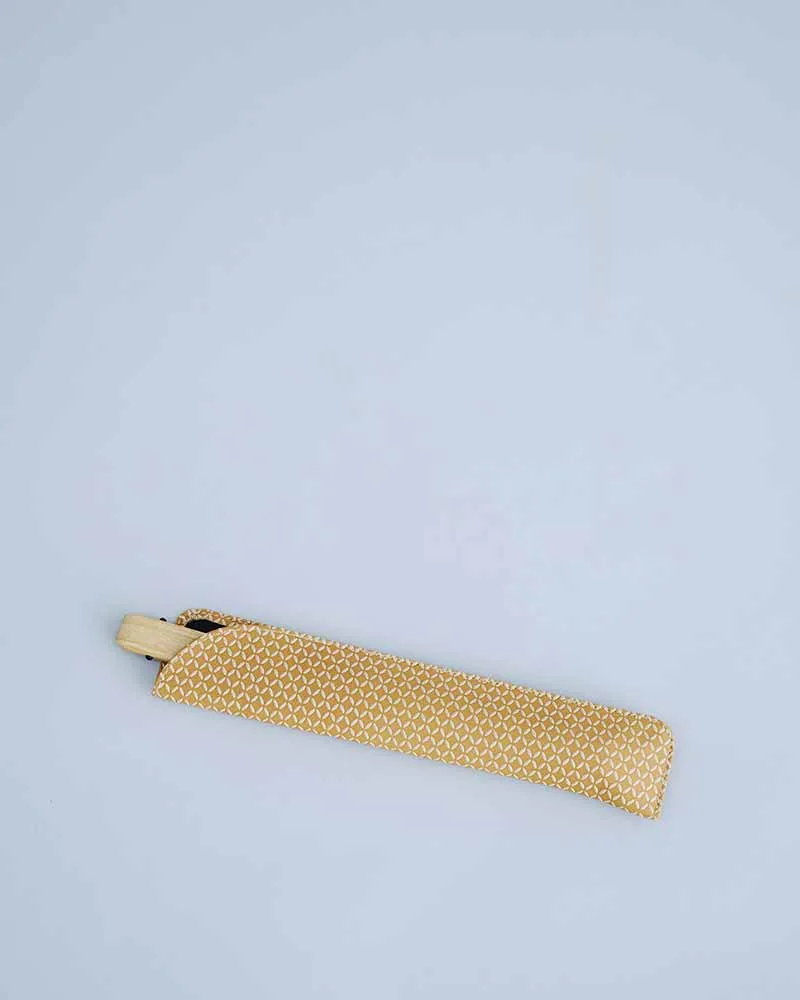
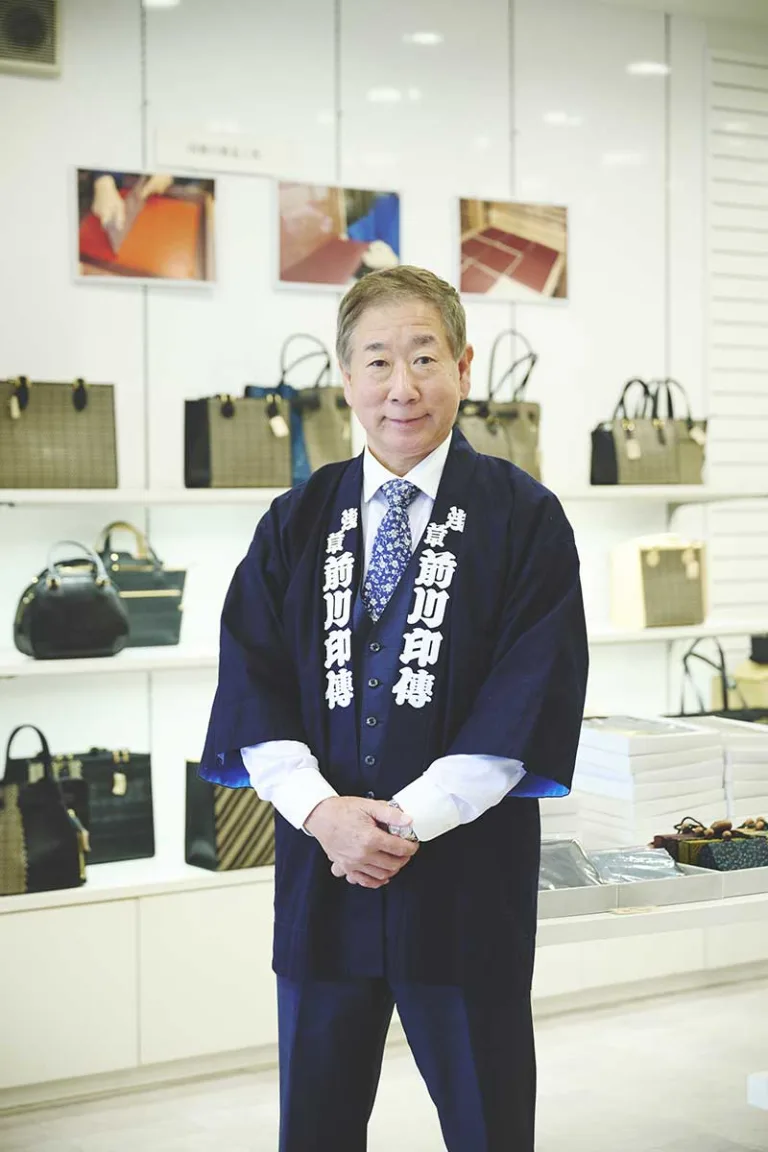
Today, many of the artisans we work with are in their late sixties, seventies, or even eighties. The profession of the craftsman itself has become increasingly rare in Japan. In response, we have welcomed three young apprentices. Nurturing the next generation and continuing craftsmanship with our own hands is now a central goal.
When it comes to quality, we have always placed the highest importance on the level of completion of each product. This has been our belief from the very beginning. It is a way of thinking we want to pass on to those who are now learning the craft.